What Is French Blending?
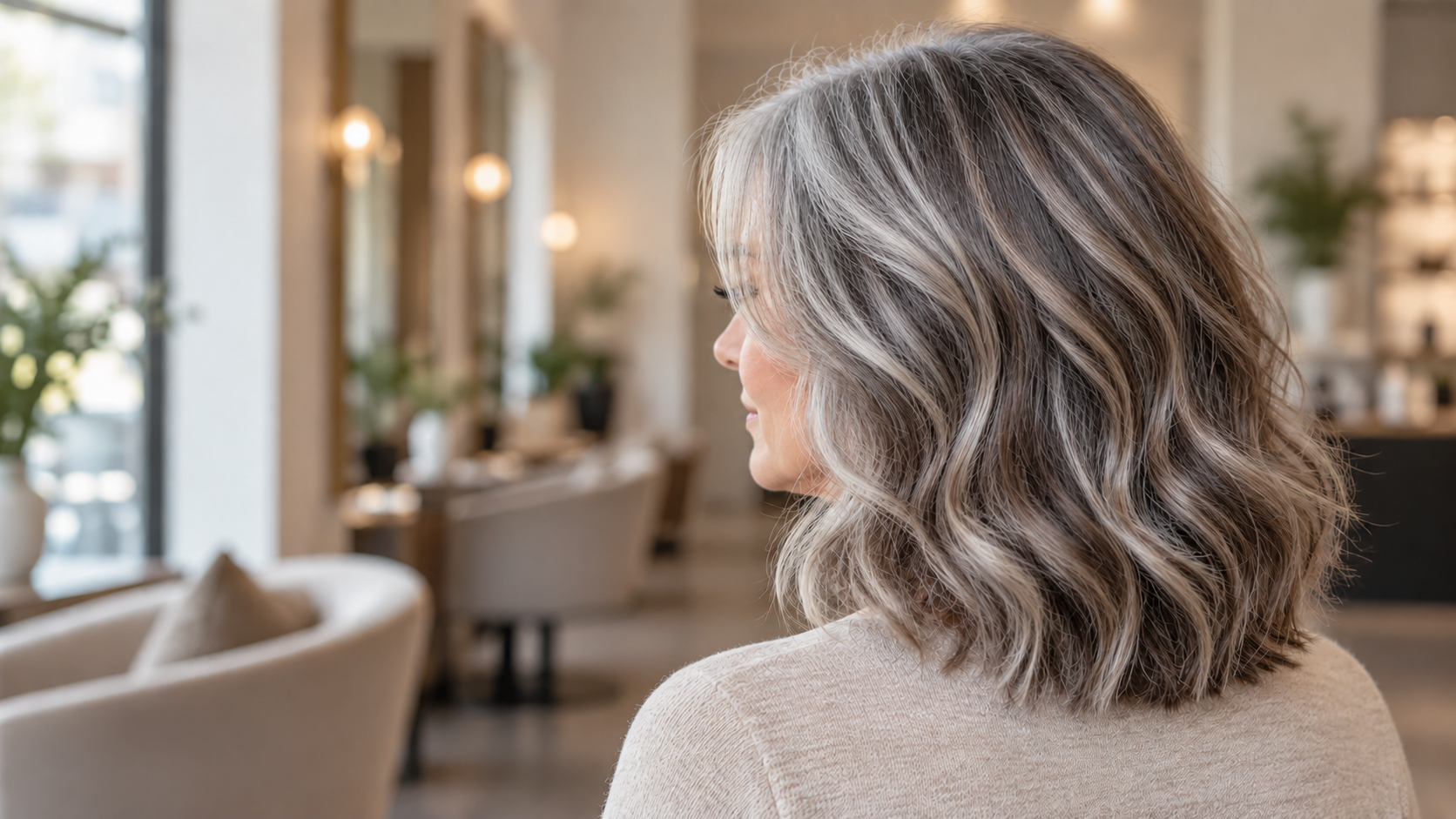
French Blending is a modern hair colour technique designed to create extremely soft, seamless transitions between shades, eliminating harsh lines and visible regrowth. It is inspired by traditional French colouring philosophies such as balayage, where colour is applied freehand to mimic the way hair naturally lightens in the sun.
Instead of obvious highlights or dramatic contrast, French Blending focuses on diffusing colour into the hair using subtle variations of tone, creating a result that looks effortless, sophisticated, and naturally luminous.
The technique often blends:
- Natural root colour
- Softly diffused mid-tones
- Delicate brightness through the lengths and ends
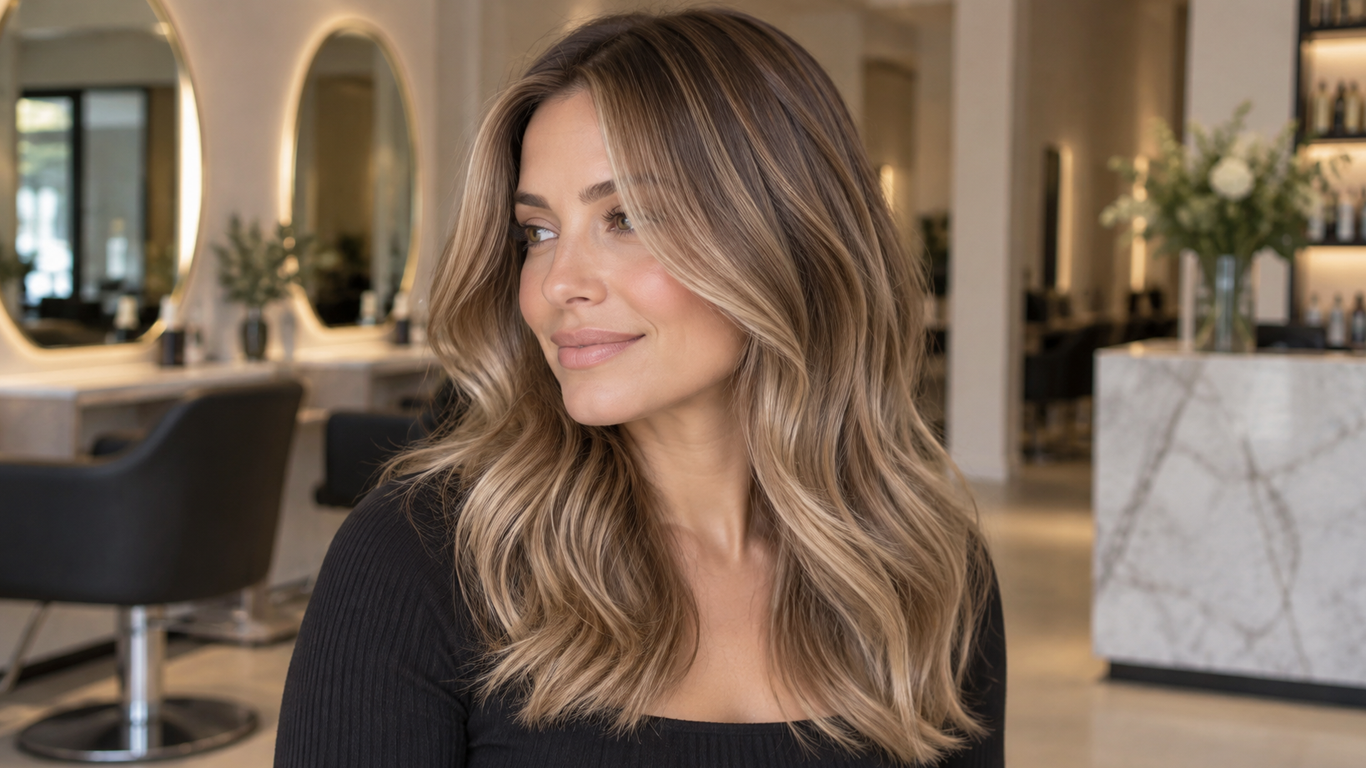
The final effect is dimension without visible colour placement, giving hair movement and light while maintaining a natural appearance.
The Philosophy Behind French Blending
The trend reflects a broader European colouring philosophy: Luxury colour should look like it happened naturally. French colour techniques traditionally focus on:
- Soft contrast
- Diffused regrowth
- Face-enhancing brightness
- Low-maintenance colour
French Blending takes this concept further by merging multiple tones together so seamlessly that the colour appears to melt into the hair.
What Makes French Blending Different?
French Blending is designed to create a softer, more diffused result than traditional colour techniques. Instead of visible highlight patterns or strong contrast, the colour blends gradually through the hair for a more natural finish.
Key characteristics include:
- No harsh lines as colour fades softly from root to ends
- Multiple tonal layers to create depth and dimension
- Natural root integration so the base colour becomes part of the overall look
- Soft face-framing brightness to enhance the complexion
- A softer grow-out that can feel more low maintenance
1. No Harsh Lines
Colour fades softly from root to ends, helping create a more natural transition.
2. Multiple Tonal Layers
Two or more complementary tones may be blended to create depth and dimension.
3. Natural Root Integration
The natural base colour becomes part of the overall design rather than something that needs to be completely covered.
4. Soft Brightness Around the Face
Subtle face-framing brightness can be used to enhance the complexion and add light around the hairline.
5. Softer Grow-Out
Because the transitions are diffused, French Blending is designed to grow out more softly than highly structured highlights.
Who Is French Blending Perfect For?
This technique can work beautifully for:
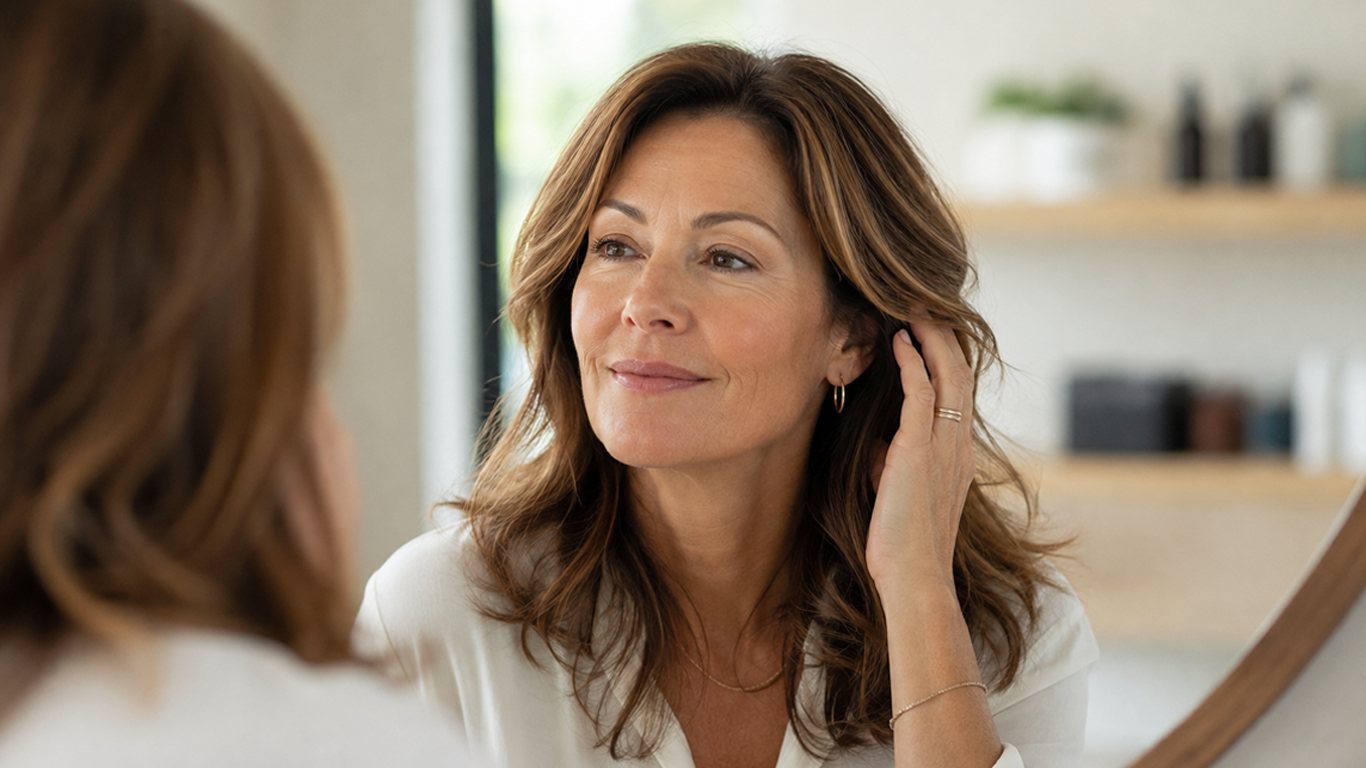
- Clients growing out highlights
- Blondes wanting a softer look
- Brunettes wanting more dimension
- Grey-blending clients
- Clients wanting lower-maintenance colour
It is especially suited to clients who say:
- “I want something natural.”
- “I don’t want obvious highlights.”
- “I want my colour to grow out softly.”
How French Blending Is Created
French Blending is highly personalized. The exact technique depends on the client’s natural colour, previous colour history, desired brightness, hair condition, and maintenance preferences.
Step 1: Consultation
The process begins with a detailed colour consultation.
Your colourist will consider:
- Natural hair level
- Previous colour history
- Desired brightness
- Maintenance preferences
- Overall tone and dimension
This helps determine the combination of tones and placement that will create the most natural-looking result.
Step 2: Strategic Sectioning
Rather than relying only on rigid placement patterns, French Blending works with the natural fall of the hair. Placement may focus on areas such as:
- Face framing
- Crown
- Interior dimension
- Brightness through the ends
This helps keep the finished colour soft and organic.
Step 3: Micro-Balayage Application
Fine sections of hair may be painted using soft, diffused strokes. The goal is to create brightness without a hard starting line, helping the colour blend naturally into the surrounding hair.
Step 4: Root Diffusion
A shadow root or root melt may be used to soften the transition between the natural base and lighter pieces. This helps reduce visible lines of regrowth and creates a more seamless finish.
Step 5: Tone and Melt
After lightening, complementary toners can be applied through different areas of the hair. For example, a colourist may use a neutral tone closer to the root, a soft beige through the mid-lengths, and a brighter creamy tone through the ends.
The tones are blended together to create a tonal melt rather than a noticeable separation between shades.
Step 6: Face-Framing Light
Subtle brightness can be added around the hairline and face to enhance the complexion and bring light to the overall colour. The result should feel soft and integrated rather than highly contrasted.
The Finished Look
French Blending is designed to look:
- Natural
- Luminous
- Dimensional
- Effortless
- Refined
The hair appears multi-tonal without looking stripey, with brightness and depth working together to create movement.
French Blending Maintenance
One of the benefits of French Blending is its softer grow-out. Maintenance will vary depending on your natural colour, desired level of brightness, grey coverage needs, and overall hair goals. Between full colour appointments, your stylist may recommend:
- A gloss refresh
- Bond repair treatments
- Hydration masks
- Professional home care to maintain colour and shine
Your colourist can recommend a maintenance schedule that works for your hair and lifestyle.
Experience French Blending at FORD Salon
French Blending offers a modern approach to hair colour for clients who want soft dimension, natural brightness, and colour that grows out beautifully.
At FORD Salon, every colour service begins with a personalized consultation. Our colourists consider your natural hair colour, previous colour history, desired brightness, skin tone, lifestyle, and maintenance preferences to create a blend that feels completely individual.
Book a colour consultation with the FORD Salon team in Downtown Kelowna and discover a personalized approach to soft, dimensional hair colour.