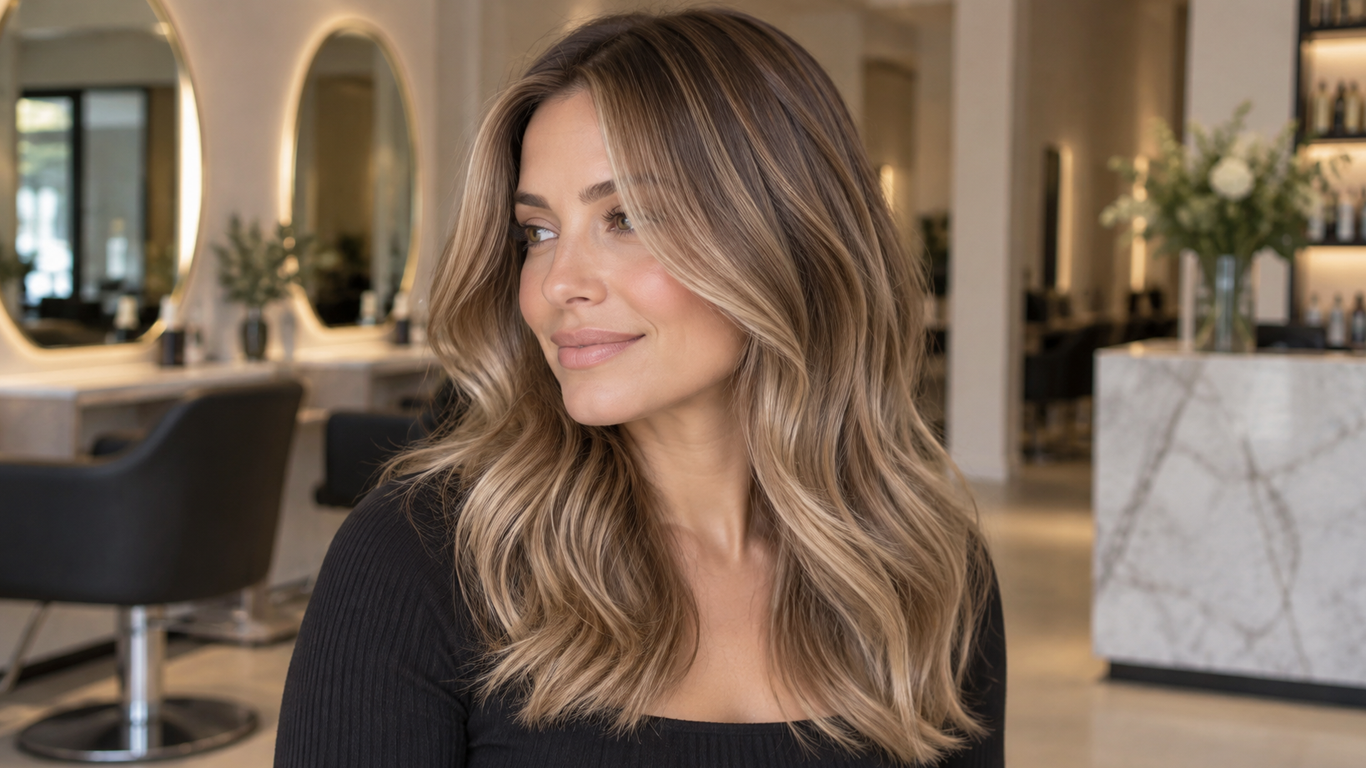
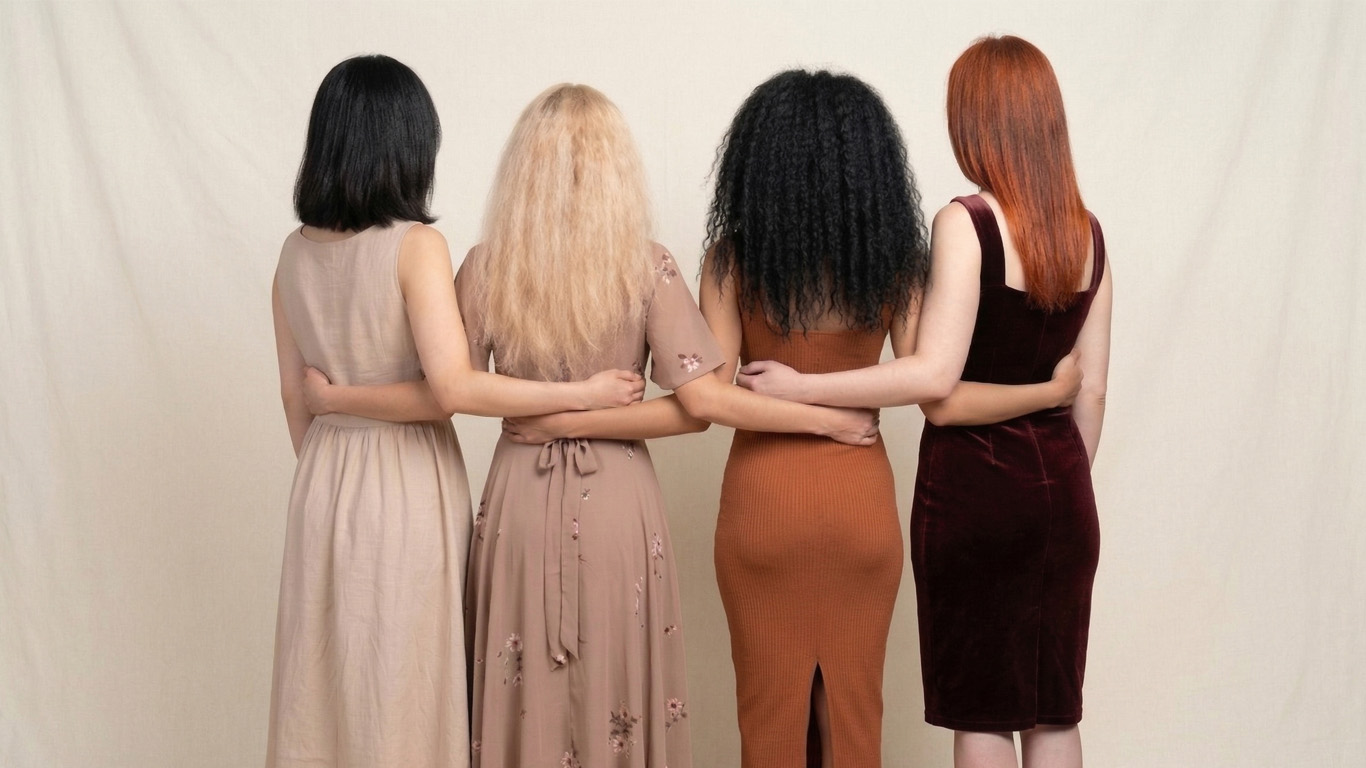
Most people describe their hair as straight, wavy, or curly. While this is a helpful starting point, it doesn’t explain why hair behaves so differently from one person to another. Two people can both have straight hair, yet one struggles with frizz and dryness while the other can’t get their hair to hold a style at all.
That’s because hair type is more than curl pattern. To really understand your hair, you need to look at three things: hair structure, scalp type, and porosity. Together, these explain how your hair looks, feels, and responds to care and styling.
Straight, Wavy, or Curly Is Just the Starting Point
Curl pattern describes the natural shape of your hair strand.
- Straight hair often looks smooth and shiny, but can struggle with volume or holding curls.
- Wavy hair sits between straight and curly and can lose definition if treated like straight hair.
- Curly hair forms natural curls and tends to have more texture and volume.
This tells you how your hair grows, but not why it behaves the way it does.
Hair Structure: Fine, Medium, or Thick
Hair structure refers to the thickness of each individual hair strand. This is different from hair density, which is about how much hair you have on your head. Two people can have similar-looking hair but very different structure.
Most hair falls into one of these categories:
- Fine hair feels lightweight and soft, but can lose volume easily and feel weighed down by heavy products.
- Medium hair is the most common and usually the easiest to manage, holding styles well and responding predictably to products.
- Thick hair has stronger, wider strands and can hold shape well, but may feel heavy or harder to control, especially if it’s also porous.
Understanding your hair structure helps explain why some styles last longer and why certain products feel too heavy or not effective enough.
Scalp Type Is Part of Your Hair Type Too
Hair type isn’t just about the hair itself. Your scalp plays a big role in how your hair looks and feels. Scalp types generally fall into four categories:
- Normal scalp feels balanced, not too oily or dry.
- Dry scalp may feel tight, itchy, or flaky, often leading to dry ends.
- Oily scalp becomes greasy quickly and usually needs more frequent washing.
- Combination scalp has oily roots with dry or damaged ends.
Many common concerns, like oily roots and dry ends, are actually scalp issues rather than problems with the hair length.
Hair Porosity: Low, Medium, and High
Hair porosity describes how easily your hair absorbs and loses moisture. This is where terms like glassy or porous hair come from.
Low porosity hair, often called glassy hair, has a tightly closed outer layer. It looks smooth and shiny, reflects light well, takes longer to dry, and often struggles to hold curls or color. Moisture and products tend to sit on the surface instead of absorbing.
Medium porosity hair is the most balanced. It absorbs moisture well, responds predictably to products, and is usually the easiest to manage, meaning it responds well to care and styling without constant adjustment.
High porosity hair has a more open outer layer. It absorbs moisture quickly but loses it just as fast, which can make hair feel dry, frizzy, dull, or prone to tangling and breakage, even though it often takes shape and can hold styles more easily.
How to Understand Your Own Hair Type
You don’t need complicated tests to start understanding your hair. Simple observation goes a long way. Pay attention to:
- how your hair behaves when air-dried with no products
- how long it takes to get fully wet and fully dry
- whether styles hold or fall quickly
- how your hair reacts to humidity
- whether products absorb or sit on the surface
You can also try the water test, but daily behavior usually gives clearer answers.
Why This Matters
When you understand your hair beyond straight, wavy, or curly, everything gets easier. You stop fighting your hair and start working with it. Care choices make more sense, styling becomes more predictable, and expectations feel more realistic. Good hair isn’t about forcing it into a trend. It’s about understanding how your hair naturally works and supporting it properly.
If you’d like personalized guidance based on your hair type, feel free to contact FORD Salon in Kelowna. Our team is always happy to answer questions and help you find what works best for you.